
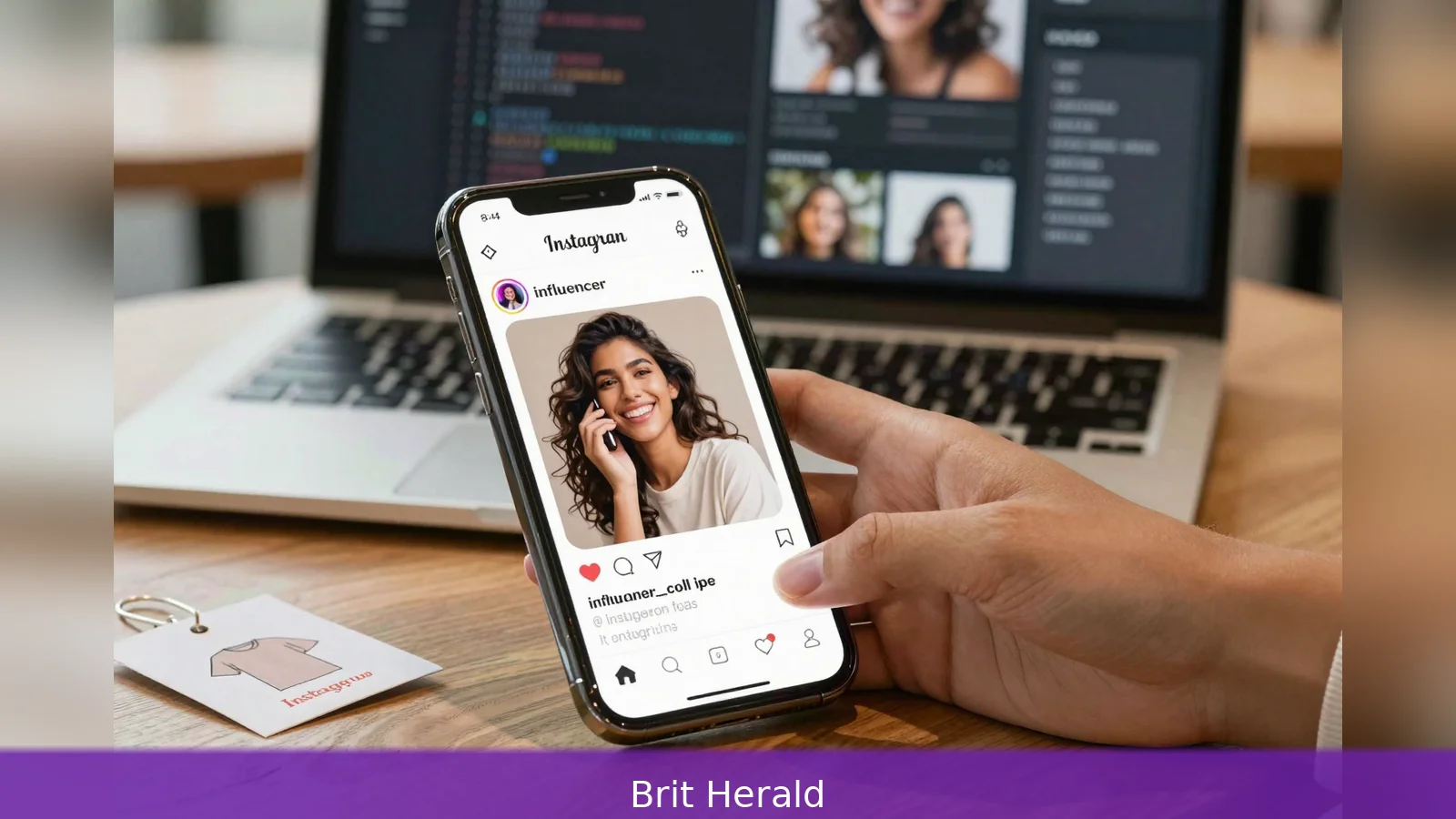
Consumers are being shown staged "customer experiences" that aren't real after brands including Once, Maket and Ashle ran promotional posts featuring AI-generated influencers on social media. The Guardian found specific examples where posts mimic authentic influencer content but appear to be produced by generative models, and in at least one case material was removed after questions were raised. The investigation also found creators working on AI influencer campaigns were sometimes asked to sign non-disclosure agreements that bar them from discussing the work. This discovery raises fresh questions about disclosure and moderation at a moment when EU law will soon require clear labelling of synthetic media.
Marketing content that looks like ordinary influencer endorsements now sometimes features synthetic faces and videos, because brands such as Once, Maket and Ashle have posted promotional material using AI-generated people.
The Guardian documented several promotional posts across Instagram and other platforms that read as conventional influencer endorsements but which analysts say are likely synthetic. A photo app called Once was flagged after Reality Defenders, a cybersecurity firm that specialises in deepfake detection, concluded the brand had likely used AI-generated influencers in its promotion.
One example described in the reporting showed a short video of a bride praising the Once app. The footage was presented as a customer experience, yet Reality Defenders' analysis suggested the clip was not of a real person. The Guardian also highlighted a fashion-brand post from Ashle in which reviewers noted an extra finger on the subject, a common artefact of synthetic-image generation.
After The Guardian approached Ashle, photographs were deleted from the brand's social accounts. An Ashle spokesperson told the newspaper that the garments themselves are real, and acknowledged that "some early marketing imagery used AI during our initial launch phase to showcase designs." The spokesperson added the company was not selling AI-generated products. Once didn't respond to requests for comment.
Maket confirmed to The Guardian that AI-generated influencers were used experimentally. "AI-generated influencers have been one of several ways for us to test creative concepts and marketing hooks at a small scale before investing in broader campaigns," the company said.

"This isn't a core part of our marketing strategy, but rather an experiment to better understand what resonates with audiences across channels, including influencer, social media and email campaigns."
The Guardian's reporting suggests the technique is often trialled as a low-cost way of testing creative ideas rather than as a main campaign approach. But the investigation also uncovered operational practices that critics say obscure synthetic origins. Several content creators who produce AI influencer material were reportedly asked to sign non-disclosure agreements preventing them from discussing their involvement. That can make it harder for consumers and for platform moderators to identify whether a face or clip is real or machine-made.
Legal clarity is thin in the UK. The consumer group Which? Told The Guardian that customers should be clearly informed when adverts use AI-generated influencers rather than real people. In contrast, the EU has written labelling rules into the Artificial Intelligence Act. Under that law, suppliers will have to identify AI-generated or manipulated content such as deepfake images, audio and video, and those provisions begin to apply in August 2026. The Guardian noted the EU labelling requirement won't apply in the UK.
These findings came from a combination of platform posts, the Reality Defenders analysis, company statements and comment from consumer advocates, according to The Guardian's account. Some brands removed material after questions were raised, which suggests the practice is being tested in plain sight and sometimes retracted when detected.
The technique poses practical challenges for platforms. AI-generated creators can be designed to look and act like typical micro-influencers, and unless a brand or creator declares the synthetic nature of the asset the content appears identical to ordinary marketing. That matters for consumers who assume they're seeing genuine user experience and for moderators trying to enforce policies on manipulated media.
There is also a commercial logic behind the experiments. Maket framed the use of AI influencers as a way to trial concepts quickly and cheaply, a process that can help teams decide what creative directions to scale. But the same speed that aids testing can also produce material with tell-tale artefacts, such as the extra finger noted on the Ashle image, or other glitches that reveal automated generation when closely inspected.
For creators, the work can be lucrative but constrained. NDAs that bar public discussion of the work prevent outside scrutiny and mean consumers may never learn that a glowing endorsement came from a synthetic construct. The Guardian reported that several creators producing AI influencer material were asked to sign such agreements.
Related Articles
- Kyber raises $5m to cut robot lag
- Crypto Clipper steals wallets yet installs a backdoor
- Rumble gains 22,400 Nvidia GPUs, targets cloud revenue
The EU Artificial Intelligence Act requires suppliers to label AI-generated and manipulated media from August 2026; the UK currently has no equivalent obligation. That regulatory divergence leaves brands here under no clear legal duty yet to disclose when a promotional face or clip is synthetic.
This article was created with AI assistance.


