
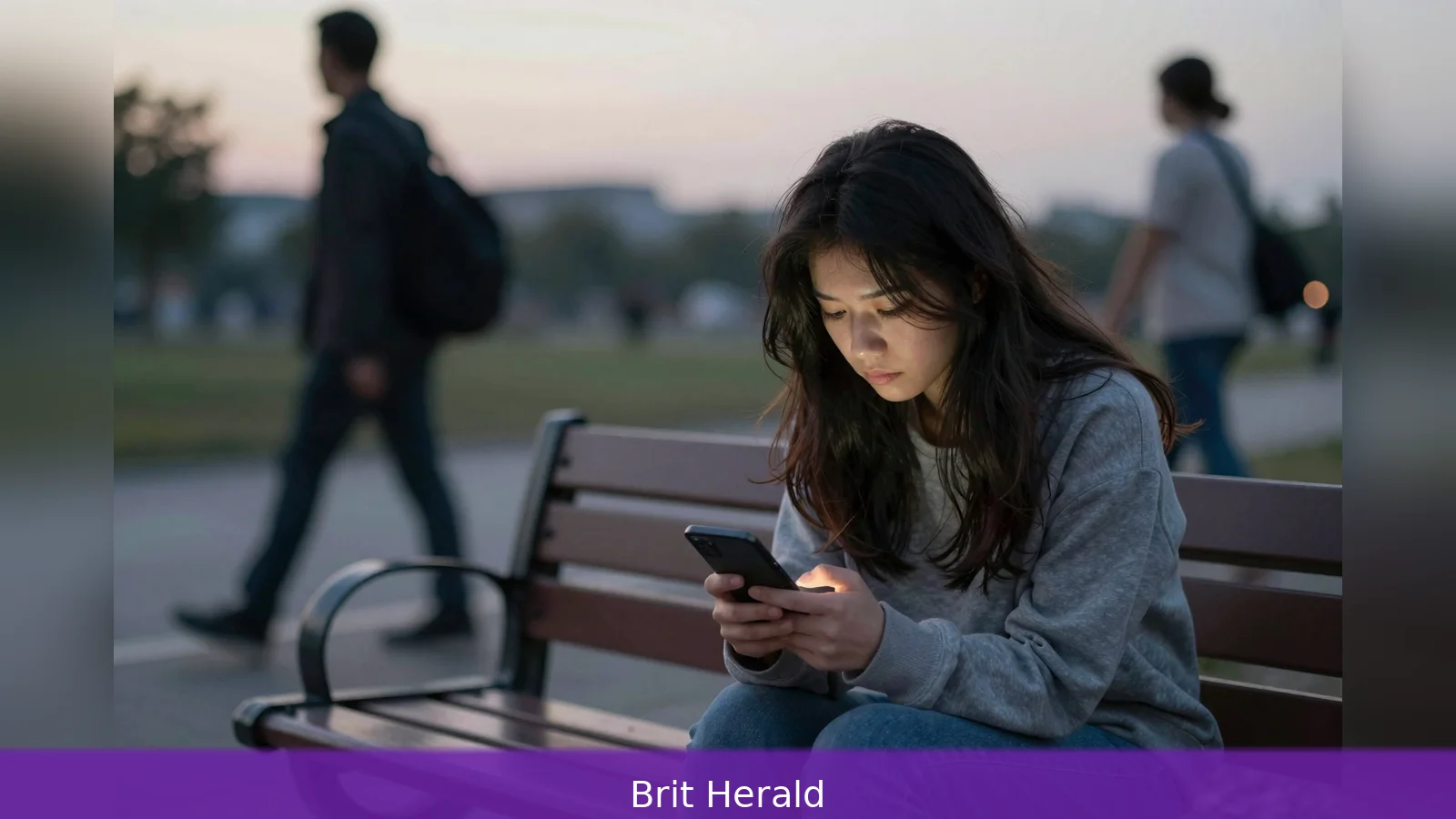
Women are losing jobs, social standing and safety after private images are shared, because social media companies and authorities focus on nudity rather than consent. A new report by gender justice organisation Chayn, cited by the BBC, documents cases in which non-nude photographs were weaponised to shame women and shows how platform policy choices left victims without effective routes to takedown or redress. The findings were backed publicly by Pakistani actress Ayesha Omar and reinforced by UK data from a Barnardo's survey reported in the Guardian. Ministers are also weighing a related policy question after a government consultation on an age limit for social media platforms closed.
The result is survivors being pushed into social isolation and economic harm, because moderation systems and official responses prioritise detectable nudity over questions of consent and context. Chayn's analysis and the BBC's reporting of individual cases find that platforms rely heavily on automated detection of explicit sexual imagery, while images that are non-sexual but deployed to imply immoral behaviour receive weaker moderation and slower removal.
How platforms miss consent
Chayn's report argues that the combination of automated tools and narrow content policies produces blind spots. Systems trained to flag explicit nudity fail to catch intimate photos that are shared without permission but contain no nudity, images cropped or edited to mislead, and pictures posted to humiliate rather than to sexualise. The organisation recommends that platforms adopt consent-based criteria so that unauthorised distribution and contextual manipulation of images become priority violations.
The human consequences are stark. The BBC recounts the case of a woman anonymised as Mahnoor, a 32-year-old university lecturer whose ex-husband accessed her WhatsApp photos and distributed images that were not nude but showed her in Western clothing or with bare shoulders. Mahnoor told the BBC, "I lost my voice," and she said her father and brothers had not spoken to her for more than a year. Colleagues who had once respected her reportedly avoided eye contact, and cropped group shots were circulated to imply infidelity. In several other accounts, victims said reporting tools didn't treat the abuse as a consent violation and that the process of reporting re-traumatised them.
Chayn's criticism extends beyond individual stories to the architecture of content moderation. When enforcement is tuned to match a binary idea of sexual content, moderators and automated filters deprioritise images meant to shame, coerce or expose. The report describes how edited screenshots, collages and out-of-context photographs can inflict long-term reputational damage even when they fall below a platform's threshold for removal.

Pressure on regulators and the political response
The debate has moved beyond advocacy groups and individual cases to the policy arena. A Barnardo's survey of 4,000 young people, reported in the Guardian, found that nearly one in five girls said they had received persistent, unwanted images online. The poll also found that a quarter of girls had been called degrading names online, one in seven 13- to 15-year-olds had been asked to send a nude photo, and a quarter of respondents had seen a nude photo that had been shared after being sent privately.
Lynn Perry, chief executive of Barnardo's, said, "These findings show how constant, corrosive and deeply embedded it's in the lives of young people today both on and offline."
Barnardo's has urged ministers to upgrade Ofcom's guidance on violence against women and girls into a mandatory code of practice for tech companies. The charity wants requirements for platforms to assess how design choices affect the safety of women and girls, and to publish data on how they handle reports of misogyny and harassment. Those recommendations are motivated by concern that user interface choices, reporting workflows and prioritisation rules all shape how quickly and effectively platforms respond when private images are weaponised.
The BBC noted that Chayn's findings were reinforced by public figures, with Ayesha Omar publicly supporting the critique and calling for the conversation to move beyond a narrow focus on nudity to the realities of consent and power in intimate image sharing. That alignment of advocacy research, public voices and youth survey data frames a cross-border problem: Pakistan and the UK both feature in the reporting, and advocates are pressing platforms and regulators to change rules, reporting flows and design choices so non-nude image-based abuse is treated as a core safety issue.
For survivors the short-term effects are practical and long-lasting. Chayn's report documents loss of reputation, exclusion by family and colleagues, and ongoing harassment. Employers confronted with circulated images may distance themselves, families may sever contact, and victims often face sustained online abuse even after content is removed. The friction created by slow or inadequate reporting channels means harm can compound while platforms decide whether a photo meets their technical definition of explicit content.
Technical fixes alone won't suffice. Chayn urges a policy shift so reporting mechanisms recognise consent violations even when images contain no nudity, and so moderators are trained to spot manipulative edits and context that signal abuse. The organisation also calls for better transparency from companies about what they remove and why, an argument that echoes Barnardo's demand for published data on how platforms handle misogyny and harassment.
Related Articles
- Brands quietly used AI-generated influencers in staged social media endorsements
- Kyber raises $5m to cut robot lag
- Crypto Clipper steals wallets yet installs a backdoor
Ministers must now decide whether the age-limit consultation prompts tougher rules on how platforms handle image-based abuse.
This article was created with AI assistance.


