
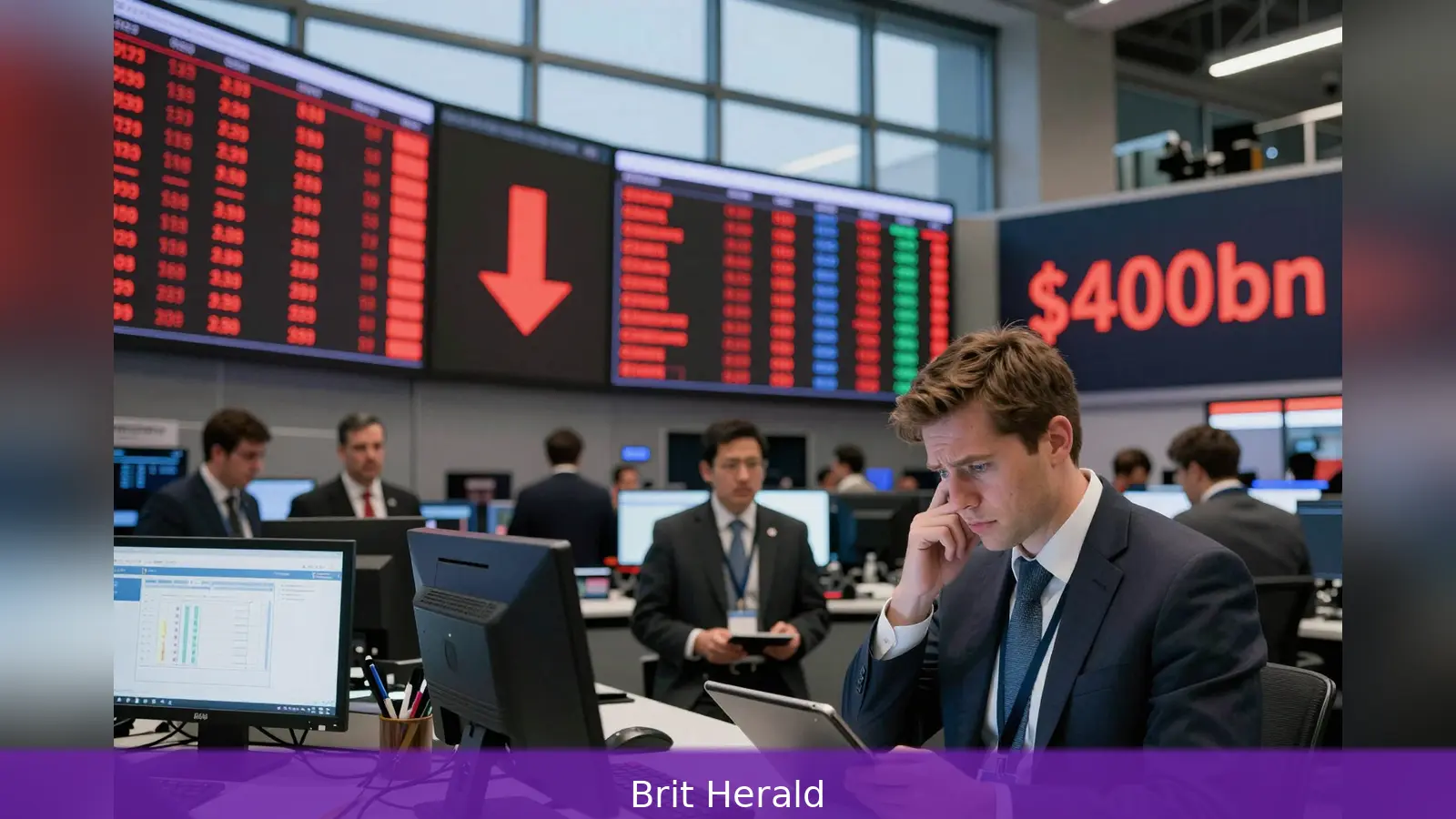
SpaceX lost roughly $400 billion in market value after its shares slipped below the closing level from the company’s first trading day, leaving anyone who bought after the debut underwater, MarketWatch reported. Shares fell to just under $179 on Thursday, down more than 6% on the session, extending a near-5% drop the previous day and about 20% from a peak above $225 earlier in the week, Yahoo Finance said. The tumble cut the company's market capitalisation from an intraday high near $2.99 trillion to about $2.37 trillion, shaving hundreds of billions from early investors’ paper fortunes. “This deal is beneficial for both sides,” Oppenheimer analyst Timothy Horan wrote.
"This deal is beneficial for both sides," Horan argued, even as investors sold the stock after SpaceX disclosed it would buy AI coding start-up Cursor in an all-stock transaction valued at $60 billion. The announcement crystallised one of the market's immediate fears: dilution. Analysts said the Cursor exchange would represent about 3.4% dilution against SpaceX's IPO-era valuation, a hit that tightened near-term expectations for per-share value.
Three forces drove the selloff
Market participants and sell-side strategists pointed to three clear drivers behind the multi-day slide. First, the $60 billion stock-based acquisition raised dilution concerns and prompted some holders to sell before the new shares materialise. Second, the company's rapid post-IPO gains combined with the new ability to trade options on the stock, creating avenues for investors to bet against the rally and amplifying volatility. Third, a portion of investors and sell-side firms moved to reprice the business after the initial flurry of trading and headline transactions: Morningstar analysts lowered their fair-value estimate for SpaceX to $62 from $63 given the deal and the dilution risk.
Those forces played out across a concentrated shareholder base that had pushed the stock to extraordinary heights at launch. Exceptional early demand during the IPO left prices sensitive to negative headlines, and some analysts warned that option activity and the new availability of short bets could add downside pressure while the market digested the Cursor deal and other risks.

Sell-side split and index mechanics
Sell-side reaction was divided. Oppenheimer's Timothy Horan praised the acquisition, saying Cursor adds AI talent, data and a user cohort that could over time underpin a substantially higher share price. Other sell-side notes were less sanguine, highlighting technical risks, execution hurdles and environmental and regulatory challenges that could make the lofty revenue assumptions embedded in SpaceX's market valuation.
The stock's moves also have technical implications for index composition and passive demand. Reporting noted SpaceX is eligible for Nasdaq 100 entry under a recent rule change after 15 trading days, a step that could bring additional passive buying once the technical requirements are met.
But that prospective boost comes with a caveat: insider lockups are expected to keep the free float limited Soon, muting how quickly passive flows might swell liquidity.
The trading pattern since the debut has had a real effect on wealth tallies. Forbes estimated that Elon Musk's net worth fell by about $67.8 billion to roughly $1.2 trillion over the stretch of declines, a swing that followed the whirlwind, record-setting public debut for the company. MarketWatch framed the single-session or near-term hit at about $400 billion when the share price slipped below its first post-IPO closing level, while Yahoo Finance calculated a larger peak-to-trough reduction of roughly $620 billion from the week's high.
For investors who bought on the first trading day and shortly after, the result is a paper loss. For early backers and executives, the headline swing has shaved billions from reported fortunes. And for sell-side strategists and fund managers, the episode is a reminder of how quickly headline transactions and market structure can reroute price momentum in a newly public mega-cap.
Related Articles
- Eight days of 30C-plus as England braces for heatwave
- £5 error: 1.7m pensioners hit by HMRC pre-fill fault
- 1.7m hit by HMRC state pension tax error
The clock now turns to the 15-trading-day test for Nasdaq 100 eligibility, the next mechanical milestone that will determine whether passive index flows can begin to supplement demand for SpaceX shares. Originally reported by marketwatch.com.
This article was created with AI assistance.


