
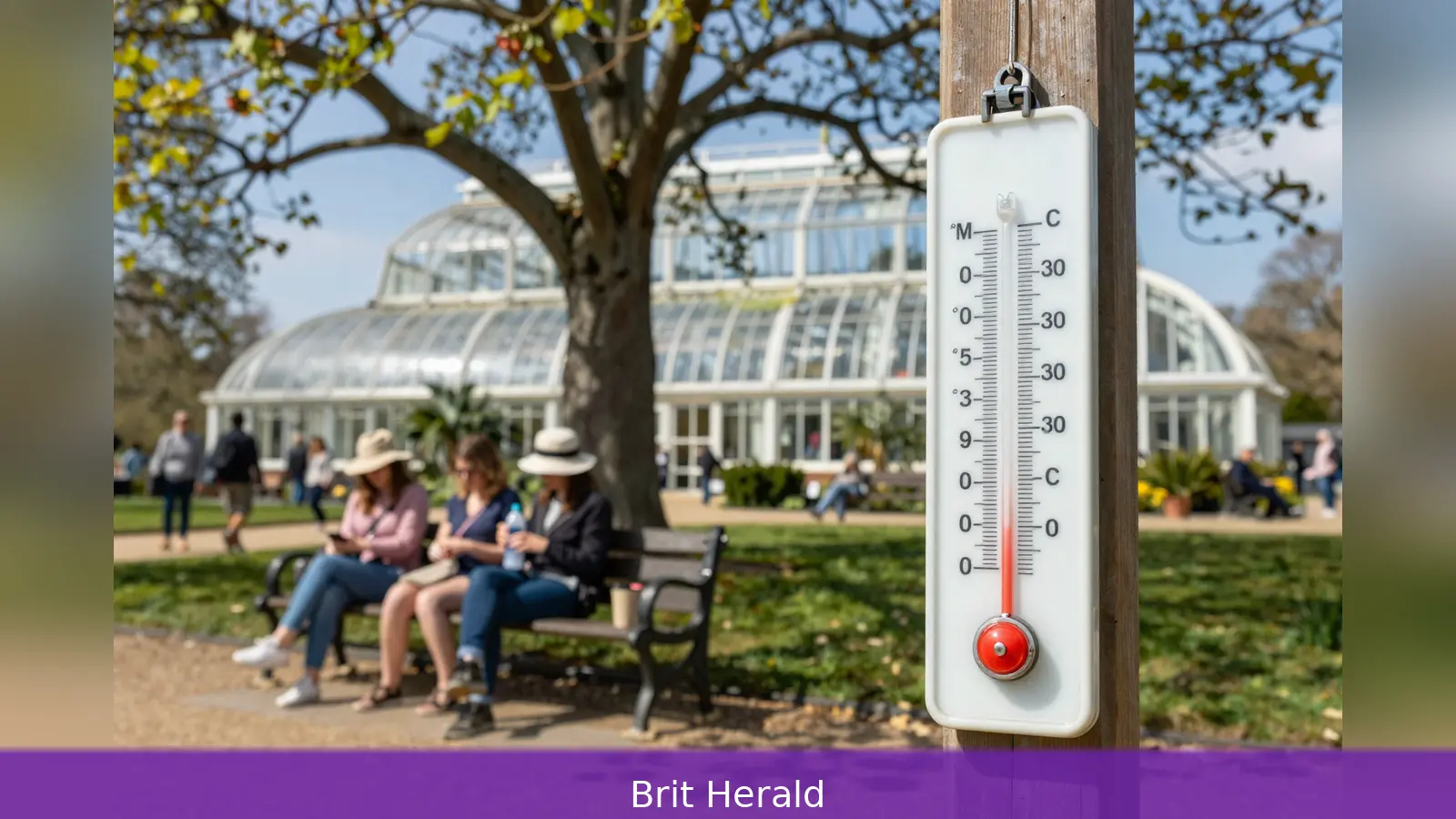
'It’s turning hotter, with many places reaching heatwave conditions,' the Met Office said on June 18. BBC Weather and the Met Office then set out a concrete window, warning parts of England could see temperatures of 30C or higher for eight consecutive days from Sunday June 21 to Sunday June 28. BBC Weather singled out Kew Gardens among likely hot spots, publishing a day-by-day sequence that peaks at 34C on Tuesday June 23 and notes a small possibility of approaching the UK June record of 35.6C from 1976. The UK Health Security Agency issued amber heat-health alerts across southern and eastern England, flagging particular risk to older people and those with existing conditions and warning of pressure on health and social care services.
'It’s turning hotter, with many places reaching heatwave conditions,' the Met Office stated again as forecasters revised day-by-day highs, reflecting a persistent high-pressure pattern over western Europe that's trapping warm air and suppressing cloud formation. That meteorological set-up, forecasters say, is the reason for the sustained run of daytime peaks and the unusually warm nights that are possible in southern urban areas.
Temperatures and timing
BBC Weather laid out the forecast sequence it attributes to that pattern: 30C on Sunday June 21, 32C on Monday June 22, 34C on Tuesday June 23, then 33C on Wednesday June 24, 32C on Thursday June 25, 32C on Friday June 26, 33C on Saturday June 27 and 31C on Sunday June 28. Kew Gardens was flagged as one of the warmest locations. BBC Weather also noted a small chance that temperatures could approach the June record of 35.6C set in 1976, making Tuesday June 23 a focal point for the period of greatest heat.
The Met Office forecast covers the full week from June 21 to June 28, with forecasters drawing attention to both daytime peaks and overnight temperatures that may remain high enough to create tropical nights in parts of the south. Warm nights aren't merely uncomfortable; they can compound health risks by reducing chances for physiological recovery and by complicating operations in care settings where cooling and overnight staffing are critical.
The UK Health Security Agency issued amber heat-health alerts across parts of southern and eastern England, saying high temperatures could significantly affect health and social care services. The agency highlighted older people and those with pre-existing conditions as particularly vulnerable, and advised prioritising hydration and reducing strenuous activity during the hottest hours. This amber alerts were reported as active into the week.

Both the Met Office and BBC Weather linked the forecast to specific operational consequences. They warned of a likely rise in water-safety incidents and broader strain on emergency responders, and the UKHSA warning explicitly connected the forecast to potential impacts on health and social care providers.
Forecasters also pointed to the timing of peak heat, with Tuesday June 23 singled out, which concentrates stress on frontline services and on household energy and cooling demand.
Economic effects were not quantified in the public updates, but the timing and severity set out by the Met Office and BBC Weather provide the inputs firms and public bodies use to model short-term operational costs. The combination of low-to-mid 30s by day and warm nights will feed decisions about staffing, transport arrangements and facilities measures for temperature-sensitive businesses, and will shape local authorities' coordination of health and safety responses.
Households, health services and temperature-sensitive businesses are the immediate groups named by the authorities. The Met Office and public-health alerts emphasised that the highest stress on those groups will cluster around the middle of the week, when the forecast suggests the most sustained heat. Forecasters warned that warm overnight conditions in southern urban areas could become widespread, a development that would raise the risks of heat-related illness and complicate care provision overnight.
For emergency services and operators, the forecasts function as a short-run operational brief. The amber alerts and heat warnings set expectations of increased demand for ambulance, water-rescue and social care resources, and they signal day-to-day choices about when to restrict strenuous outdoor work and how to allocate staff during the hottest hours.
The public guidance already issued is narrow in its remit but clear in practice: prioritise hydration, avoid strenuous activity in peak heat and plan for warm nights that may offer little respite. That advice mirrors the official emphasis on protecting vulnerable people and on limiting added pressure on health and social care services during the forecast window.
Related Articles
- UK heatwave risk: 30-32C possible around June 15-18
- £5 error: 1.7m pensioners hit by HMRC pre-fill fault
- 1.7m hit by HMRC state pension tax error
The period to watch is Tuesday June 23, the day forecasters highlight as one of the hottest in the June 21 to June 28 window, and the day when health services, care providers and businesses are likely to face their greatest operational strain. Originally reported by express.co.uk.
This article was created with AI assistance.


