
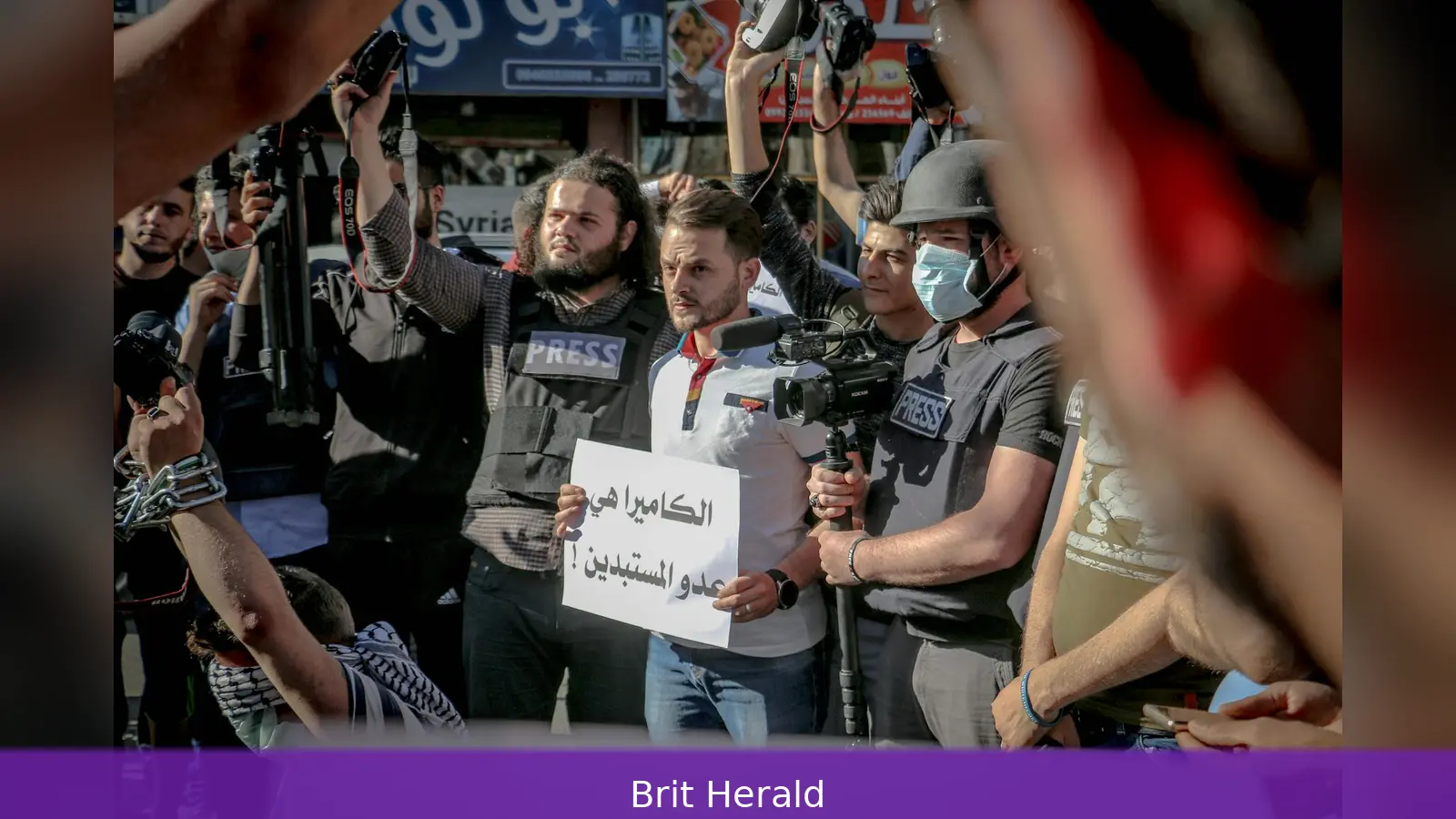
Global press freedom has slid to its lowest point in 25 years, with more than half of the 180 countries assessed now rated as “difficult” or “very serious” for journalism, the Paris-based watchdog Reporters Without Borders said. The decline is the steepest since the index began in 2002 and reflects rising criminalisation of reporting, growing restrictions on access to information, and deadly risks for reporters in conflict zones. Only seven countries earned a “good” rating, and several major democracies saw their scores weaken. The report signals political and economic consequences for democracies and international institutions that rely on independent reporting.
What the index found
Reporters Without Borders, often known by its French acronym RSF, assessed 180 countries on a five-point scale. The grades run from “good” down to “very serious”. RSF said that, for the first time since it started producing the World Press Freedom Index in 2002, more than half of countries fall into the two lowest categories.
The organisation pointed to a clear pattern. It said the criminalisation of journalism is spreading. It named misuse of emergency laws and common law as one route governments use to curb media. RSF also singled out restrictions on access to information and the pressures journalists face in conflict zones as direct drivers of the decline.
Anne Bocande, RSF’s editorial director, said: "Although attacks on the right to information are more diverse and sophisticated, their perpetrators are now operating in plain sight."
Regional shifts and country highlights
Only seven countries achieved a “good” rating. The top three were Norway, the Netherlands and Estonia.
Several European states sit in the middle band; France came 25th with a “satisfactory” score. The United States ranked 64th and was labelled “problematic”, a drop RSF said had intensified under then-President Donald Trump.
RSF described Eastern Europe and the Middle East as the two most dangerous regions for journalists. Russia and Iran were among the lowest ranked, at 172nd and 177th respectively.
Israel was placed 116th, with the report pointing to attacks on journalists covering fighting in Gaza, the occupied West Bank and Lebanon.
Latin America showed mixed but worrying moves. Argentina fell 11 places to 98th under the presidency of Javier Milei. El Salvador ranked 143rd, a descent RSF says has accelerated since 2014 amid the country’s campaign against organised gangs.

The report also listed India, Egypt, Georgia, Turkiye and Hong Kong as examples where state action has tightened limits on reporting. RSF said more than 60 percent of countries, 110 out of 180, have criminalised media workers in various ways.
Drivers of the decline
RSF identified several methods used to curb press freedom. Criminal charges, court proceedings and legal harassment are one track. Another is emergency or national security legislation that narrows what journalists can report. A third is limiting access to conflict zones and to official information.
The watchdog flagged the growing sophistication of these tools. Governments and other actors now combine legal pressure with digital measures such as blocking websites, surveillance of communications and online harassment. RSF said those tactics make it harder for reporters to do their jobs without fear of arrest or reprisal.
Wars also pose a direct physical risk. RSF reported large numbers of journalist deaths in Gaza since October 2023. The organisation said more than 220 journalists had been killed in Gaza by the Israeli army, including at least 70 who were killed while carrying out their work.
Political consequences
A weaker press affects how governments are held accountable. Independent reporting exposes corruption, mismanagement and abuses. When outlets are shut down or journalists jailed, fewer independent checks remain. That shifts power toward executives and security institutions.
RSF’s ranking shows that both authoritarian states and democracies are implicated. The report names countries across political systems. It says the criminalisation of journalism is now a global phenomenon. That matters because accountability mechanisms depend on reliable information from the press.
Press freedom isn't just a political issue. It intersects with economics. Investors use open media to assess risk. Companies need reliable reporting on regulation, contracts and legal disputes. When journalism is constrained, information gaps widen. That can raise the cost of capital for firms and states because uncertainty increases.
Trade and aid relations also hinge on transparency. Donors and trading partners often cite human rights and the rule of law when they set conditions or negotiate deals. A sustained slide in press freedom can factor into those assessments, and so can affect access to markets and international finance, even if those links are indirect.
The UK was not singled out in RSF’s headlines. But the report’s wider trends have clear relevance to Britain. The health of UK institutions depends in part on a free press to scrutinise government and corporate conduct. Restrictions abroad also shape the global information environment that British newsrooms operate in.
British media cover international stories and rely on overseas reporting networks. If access to conflict zones is cut and local journalism is criminalised, UK outlets face higher barriers to accurate reporting. That can push up the cost of foreign reporting and limit the depth of coverage available to UK audiences.
There are economic angles for the UK too. British firms that do business overseas or list on British markets need transparent reporting from partners and from local authorities. Where independent media are weakened, due diligence becomes harder and reputational and legal risks grow.
RSF urged a mix of legal and diplomatic responses. It called on states, international organisations and media groups to push back against laws and practices that criminalise journalism. The report recommended greater protection for reporters, continued monitoring of press conditions, and sanctions or diplomatic pressure where abuses occur.
Some governments have used diplomatic channels or trade policy to press for human rights improvements. Other measures include supporting independent media through funding, training and secure communications technology. RSF suggested that coordinated action would have more effect than isolated statements.
Related Articles
- Jimmy Lai wins freedom award despite being jailed
- One-sixth cut trims Aung San Suu Kyi term
- D4vd bought chainsaw after alleged murder, prosecutors say
"RSF urged coordinated diplomatic and legal action to protect journalists," it said.
This article was created with AI assistance.


