
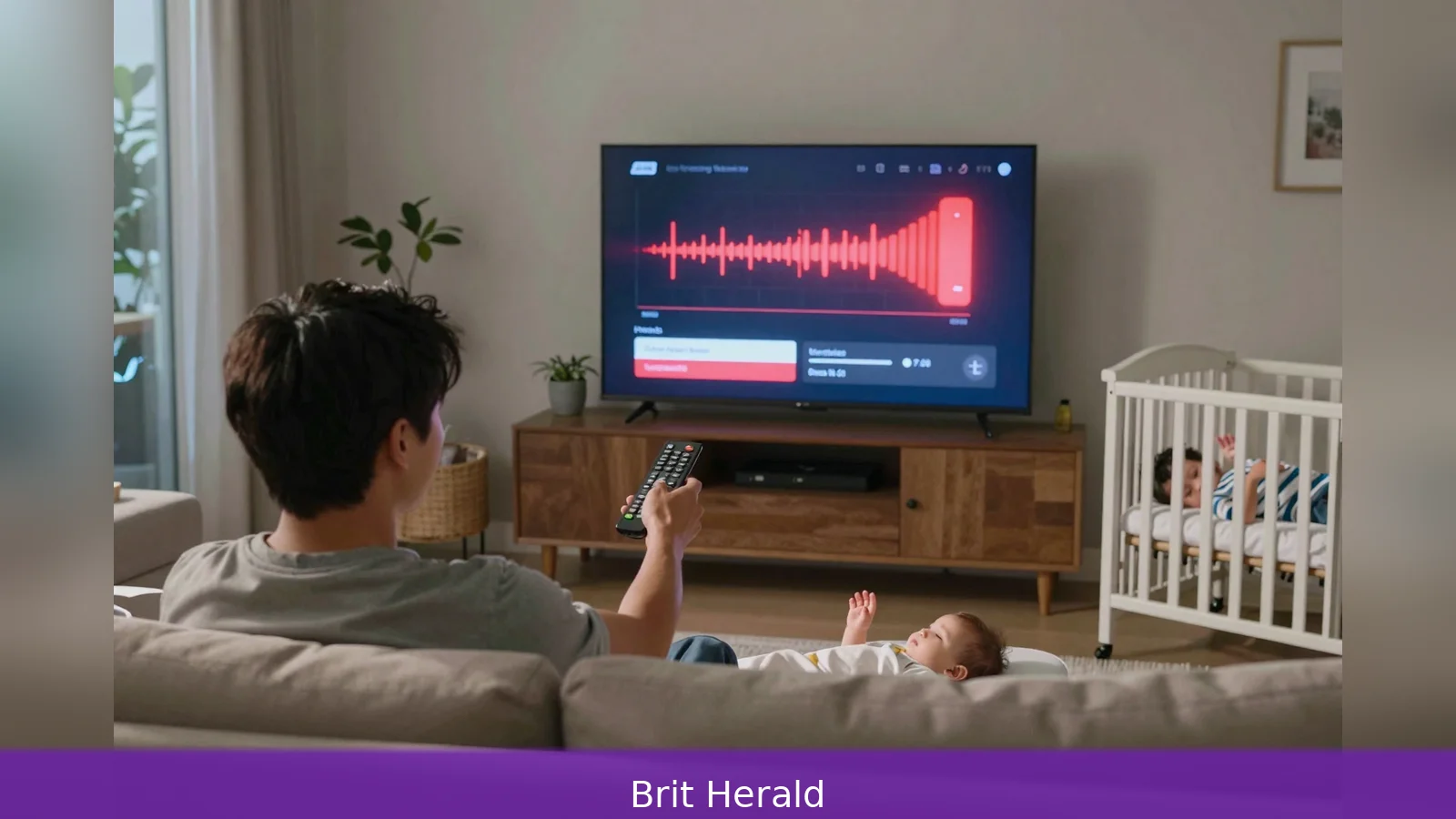
Californians will no longer have to scramble for the remote during commercial breaks after Governor Gavin Newsom signed SB 576 in October 2025 to bar streaming platforms from transmitting ads louder than the shows they accompany. The law requires video streaming platforms to match the average loudness of advertisements to the programmes they accompany, bringing streaming into line with the federal CALM Act that has governed broadcast, cable and satellite since 2010. The measure, which takes effect on 1 July 2026, makes it unlawful in California for any digital video ad to exceed the audio level of the content around it. Companies that stitch ads into streams at scale face technical work to normalise spot-level mastering.
Viewers will be able to keep a comfortable listening level through ad breaks without having to reach for the remote, because the statute makes it unlawful in California for any digital video ad to exceed the programme's audio level. SB 576 imports the CALM Act standard into internet-delivered video, requiring streamers to ensure the audio of commercial advertisements isn't louder than the video content they accompany. That parity has governed traditional television since 2010, when the federal Commercial Advertisement Loudness Mitigation Act set the benchmark.
What the law requires
The bill requires platforms to match the average volume of advertisements to the programmes they accompany, language lawmakers used when drafting SB 576. In plain terms, that means streamers must normalise commercial audio so its perceived loudness sits at the same average as the show, film or other video. Senator Tom Umberg carried the measure through the legislature and said the idea began with an everyday irritation: a staffer complained that a loud streaming ad woke his infant daughter. "If they can find a way to boost the volume, they can find a way to not boost the volume," Umberg told colleagues.
Governor Gavin Newsom signed the bill in October 2025. Supporters framed SB 576 as a straightforward consumer protection, closing what lawmakers and parents described as a gap between traditional TV, already subject to the CALM Act, and modern on-demand streaming where server-side ad insertion and spot-level mastering have produced sudden volume spikes. Federal regulators describe the CALM standard as keeping commercials at "the same average volume as the programs they accompany," and California's law imports that parity into the streaming space.
Technical questions and industry pushback
Industry groups argued against the bill during legislative debate, though they stopped short of blocking it. The Motion Picture Association and the Streaming Innovation Alliance told legislators that many platforms were already working on normalisation and that best practices exist for adjusting the loudness of server-side inserted ads. Lawmakers noted those claims but proceeded with the law after it passed both houses of the state legislature. Voting records show the measure advanced with wide support, even as some opponents warned about technical complexity and enforcement.

Implementing the rule isn't trivial for ad delivery systems that stitch commercials into streams at scale. Server-side insertion means the ad and the programme are joined on the fly, often with spot-level mastering applied by different parties. Normalising audio in that environment requires systems that can measure perceived loudness in real time or pre-process assets to a consistent standard, and the brief legislative language leaves room for engineering choices.
Platforms haven't published detailed compliance plans or changelogs setting out how they will meet the requirement.
The law applies to streams delivered within California, so services can technically limit the change to users they detect as being in-state. Observers expect some providers may elect to apply the rule more broadly rather than maintain region-specific audio processing, because a single processing pipeline is operationally simpler. No major service has confirmed whether it will roll out changes for California only, or adopt a nationwide adjustment.
Enforcement details are thin. The bill doesn't create a novel federal regulator; rather, enforcement would follow the mechanisms available to California authorities for consumer-protection statutes. That left some legislators uneasy about how complaints would be handled at scale, particularly when the technical fix may lie with ad sellers, creative houses or the streaming platforms themselves.
California isn't acting alone. A separate state bill passed this month requires streaming ad loudness limits in Illinois by 1 July 2027, creating a second timed obligation for US streamers. That pending Illinois deadline compounds the operational choices platforms must make about whether to implement region-specific normalisation or adopt a uniform standard across their services.
The practical effect for audiences is simple. From 1 July 2026, residents streaming within California should notice fewer sudden surges in volume when an ad break begins. For the industry the task is to translate a regulatory parity with legacy television into technical workflows for cloud-based delivery and the dynamic ad ecosystems that monetise many on-demand services.
Related Articles
- iPad Pro M5: $100 off as Apple raises list prices
- Family sues Tesla after Model 3 ploughs into Texas home, killing 76-year-old
- Lenovo coupon codes: tiered vouchers and stackable discounts
Platforms serving California must meet the new loudness standard by 1 July 2026. Illinois has passed a similar bill with a 1 July 2027 deadline for services operating there. Reporting based on Ars Technica.
This article was created with AI assistance.


