
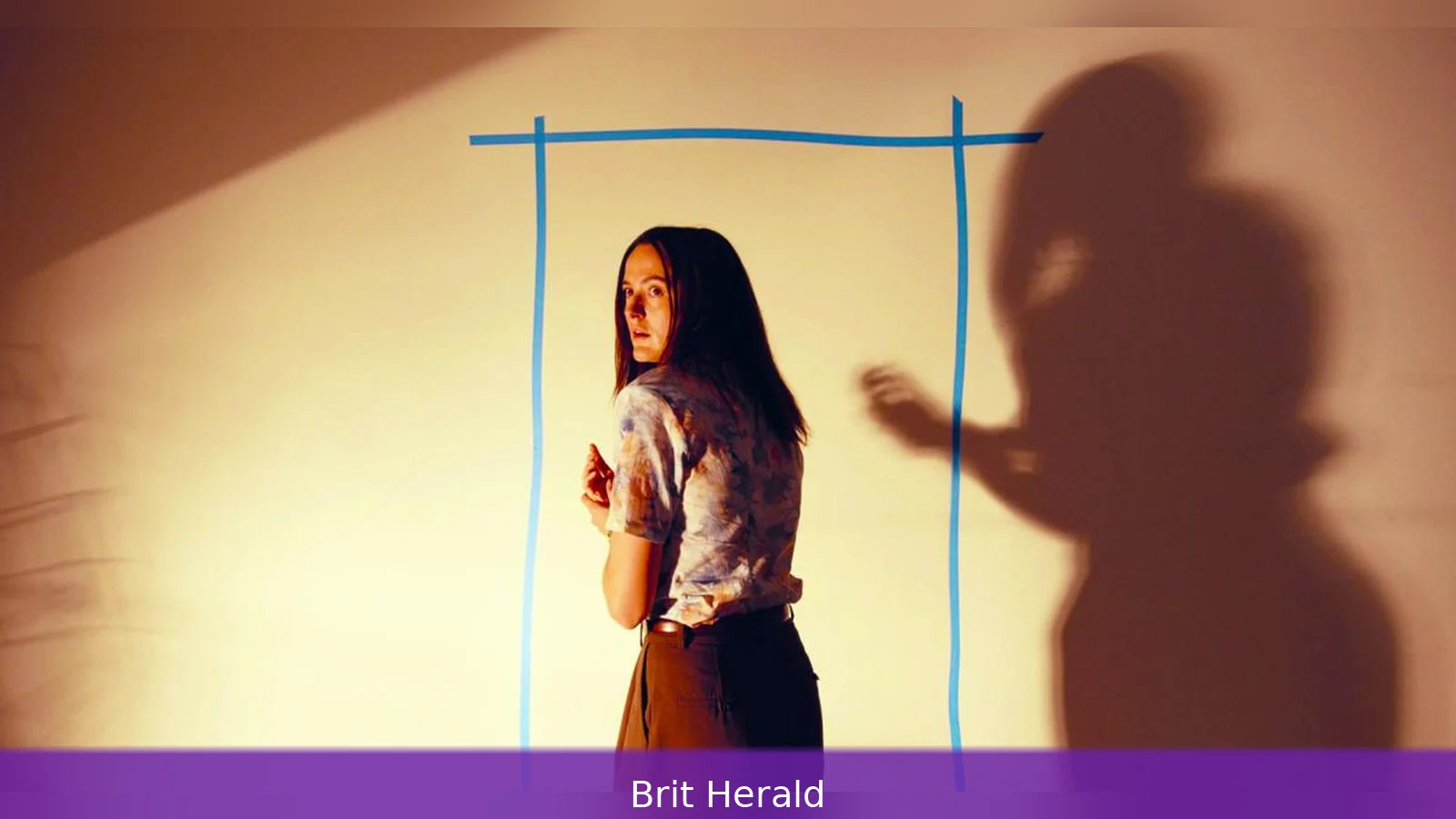
If you prefer slow-building atmosphere and strange architecture to jump scares, Backrooms delivers. A24 built a 30,000 square foot maze for Kane Parsons's feature, now in cinemas, a studio-scale realisation of a meme that anchors Chiwetel Ejiofor, Renate Reinsve and Mark Duplass and foregrounds production design and sound. If you're thinking of going, check local listings and the film's classification.
Born as a 2019 4chan prompt, the Backrooms are at once an anonymous internet image and now the subject of a studio release that keeps the original creepypasta texture intact while trying to add character and myth. The prompt asked users to post images that felt wrong, and one anonymous post described a mustard-yellow, fluorescent-lit office that becomes an endless labyrinth if you "noclip out of reality." That surreal kernel migrated across platforms, becoming a YouTube phenomenon and, for Kane Parsons, the seed of a career.
From meme to 30,000 sq ft maze
Parsons made the Backrooms shorts as a teenager using free 3D software such as Blender, among other tools, and those early films helped define the look the feature now repeats and expands. The BBC reports that Parsons turned that online mythology into a series that has accumulated more than 200 million views, and his early short "Found Footage" alone has tens of millions of views. A24, the distributor, has taken that texture seriously: the studio and Parsons built a 30,000 square foot set that reproduces the sickly yellow walls, drop ceilings and fluorescent hum associated with the Backrooms aesthetic, and designed it to disorient both characters and audience.
The film centres on Clark, played by Chiwetel Ejiofor, an architect-turned-furniture-store owner whose discovery of a portal in the basement of his showroom draws him into the labyrinth. Renate Reinsve plays Dr Mary Kline, Clark's therapist, and Mark Duplass appears in the cast as well. On set, Ejiofor said the logistics of navigating the set were a challenge: cast members were getting lost in the maze during early shooting days, and he described some sequences as "among the most bizarre" he had worked on. That anecdote captures the physical effort the production made to turn a simple image into a sustained cinematic environment.
Critics have emphasised that Backrooms is less interested in jump scares and more in a sustained ambient dread shaped by production design and sound. The Guardian describes the film as conjuring "liminal spaces" that echo dead malls, airports and other non-places in modern life, while the BFI notes that Parsons keeps the feature within its creepypasta origins even as he attempts to add character arcs and a coherent mythology. Reviewers point to a lineage of literary and cinematic precedents: Borges and J.G. Ballard, and films such as Stalker and Cube, are obvious touchstones for the film's fascination with enclosed, rule-bound spaces.

Parsons told the BBC he wanted the feature to feel like a "real physicality" distinct from his online shorts, and he advised that, in the Backrooms, one should "make peace with it before anything else" when thinking about survival. That philosophy is visible across the film's set pieces: a room lit only by a Christmas tree with mannequins buried in the floor, piles of decaying clothing, and an industrial pool are presented as part of an increasingly strange sequence of environments.
Those moments are less about an identifiable monster and more about the uncanny quality of architecture carried to extremes.
Stylistically, the film nods to found-footage and documentary aesthetics while expanding into more conventional storytelling. Reviewers have noted that move from short-form internet horror to a 105-minute feature involves choices about pacing and exposition. Yahoo's review lists practical details prospective viewers will want to know: the running time, its R certificate for violent content and language, and the fact it's playing in cinemas now. Yahoo also reports that preview-night demographics skewed young, with 88 percent of a packed preview audience under 35, which helps explain the intensity of online buzz and the film's particular appeal to viewers who already follow the Backrooms phenomenon.
Beyond atmosphere and production design, the film uses its central conceit to examine themes of mental health and isolation. The maze operates as a frame for characters' interior lives, and Parsons appears intent on keeping the original internet oddity as a vessel rather than flattening it into pure spectacle. The BFI's commentary stresses that balance: Parsons retains the creepypasta's ambiguous rules while trying to give the audience emotional anchors in the form of character arcs and a clearer mythology than an anonymous meme usually provides.
For some viewers the film's strengths will be the things other horror movies often overlook: careful sound design that turns a fluorescent hum into a character, and production design that makes an ordinary space feel hostile. For others the lack of a conventional monster or frequent jump scares may frustrate expectations.
The Guardian and the BFI both highlight Parsons's interest in architecture and the "laws of the universe" that shape his conception of the spaces. That interest gives the film an intellectual spine as well as a sensory one.
If you like horror that leans on atmosphere, set design and an internet-native premise, Backrooms offers something distinctive: a studio feature that has tried to keep the source material's strangeness intact. If you prefer straightforward scares, know that the film favours creeping dread over sudden shocks. Either way, the production is an unusual case of online folklore translated wholesale to a physical, walkable maze for a mainstream audience.
Related Articles
- EuroMillions May 29: £11m jackpot not won
- Pennsylvania primaries leave two House races decisive
- Romania this week: Lucescu dies, 31 stores change hands
A24's 30,000 square foot set is the film's signature. Check local listings and classification. Originally reported by BBC.
This article was created with AI assistance.


