
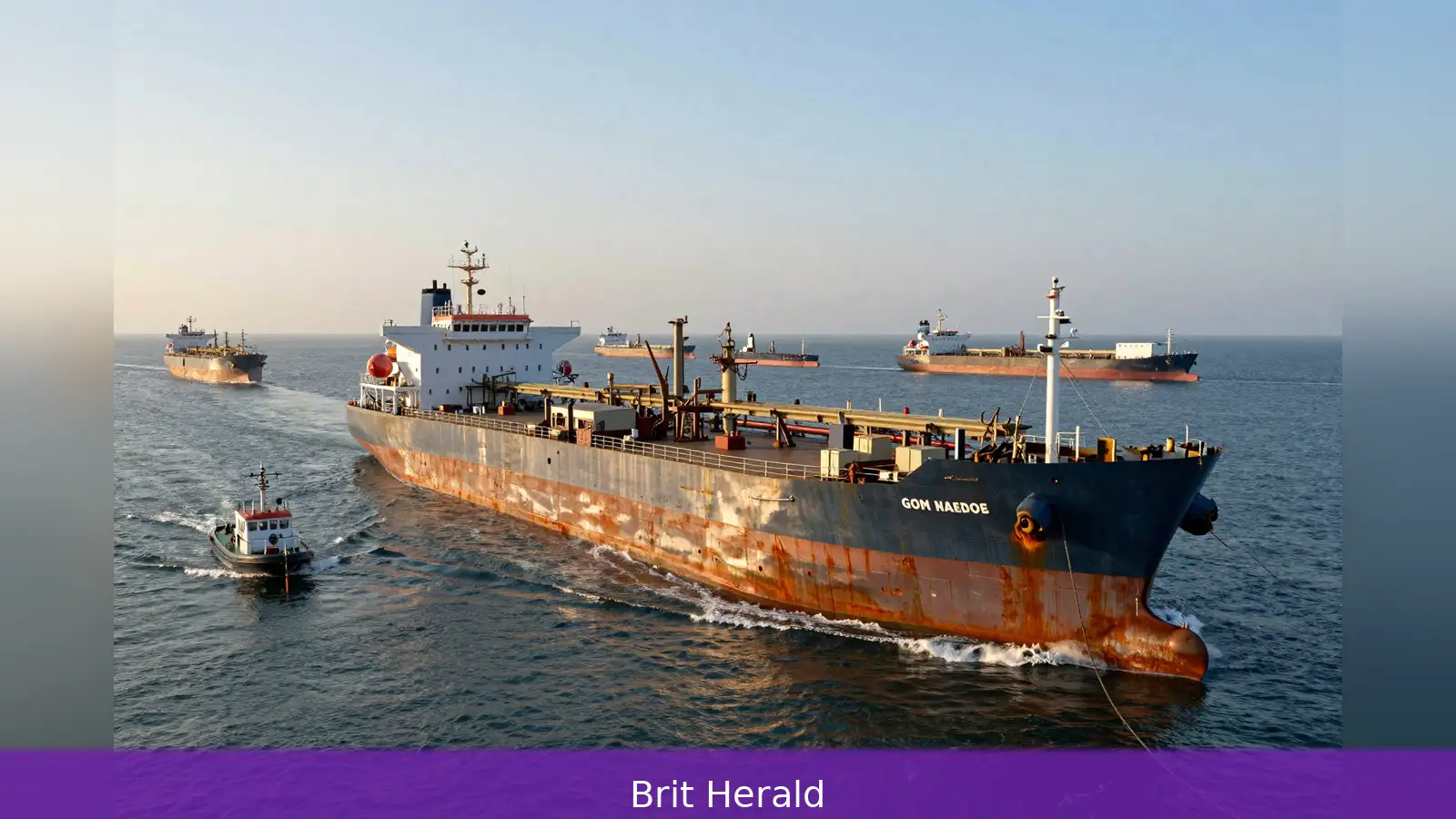
Markets treated Washington and Tehran's framework as a near-term off-ramp for the oil shock, sending Brent crude and U.S. West Texas Intermediate sharply lower on 15 June. Traders priced out a wartime risk premium after both countries said they had agreed a framework for a memorandum of understanding to pause hostilities and reopen the Strait of Hormuz, while awaiting the written text. Equity indices rose and bond yields fell as investors trimmed safe-haven positions, Reuters and CNBC reported. The accord is a framework, not a final treaty, and the memorandum is due to be signed on Friday in Switzerland.
The drop in WTI signalled how much risk premia had been removed from oil prices when Washington and Tehran described the arrangement as a framework for a temporary halt to fighting and the reopening of the Strait of Hormuz. Traders interpreted the announcement as shortening the immediate downside risk to global supply, and priced in a lower near-term inflation impulse from energy.
Households and energy intensive businesses were named by market commentators as the most immediate beneficiaries, since lower oil translates into reduced fuel bills and cheaper inputs for industry. Shipping companies and insurers stood to gain from restored traffic through the strait, which had pushed up freight and insurance premia during heightened tensions. Reuters and CNBC both described a simultaneous jump in equities and a fall in bond yields on the day of the announcement, reflecting a shift out of safe assets into riskier positions.
Officials portrayed the arrangement as stopping the shooting and reopening a vital sea lane. Pakistani Prime Minister Shehbaz Sharif, who mediated the talks, said a deal had been struck, and Reuters reported that a memorandum of understanding is scheduled to be officially signed on Friday in Switzerland. Iran's deputy foreign minister Kazem Gharibabadi said the text had been finalised and described a permanent end to military operations on all fronts. Iran's Supreme National Security Council said fighting would end starting on Monday night, Reuters reported.
The terms described by U.S. and Iranian spokespeople focus on an immediate cessation of hostilities and a reopening of the Strait of Hormuz, plus a 60-day ceasefire window for negotiators to work on a more comprehensive settlement covering sanctions and Iran's nuclear programme. CNBC reported that both sides said the strait will reopen after the signing, though U.S. officials emphasised a toll free reopening and Iranian statements signalled a temporary fee free period followed by potential charges for navigation, safety and insurance services. The written text had not been published as of Monday.

Key items were deliberately left for later discussions. The future of Iran's ballistic missile programme and arrangements for regional proxy forces were not resolved at the framework stage, according to reporting in The Guardian and Reuters. Analysts flagged financial clauses discussed in press commentary, including claims by Iranian officials that frozen funds would be released in tranches. Some accounts suggested sizeable sums could be unlocked in stages.
That claim has been cited by market economists, but the memorandum itself has not been released to confirm the mechanics.
Another notable omission from the talks was Israel. Some reports highlighted that Israel was not a party to the U.S.-Iran discussions, prompting questions about how the deal will affect broader regional dynamics and whether allied concerns could prompt unilateral actions that would test the ceasefire.
The market reaction on 15 June reflected both relief and caution. Prices fell sharply, but commentators emphasised that the market was waiting for the actual text and for signs that the ceasefire holds. In that sense investors treated the framework as a de-risking event rather than a definitive settlement of the conflict or of Iran's standing with international sanctions.
For firms exposed to energy costs the immediate outlook is clearer. Lower oil reduces the direct cost burden on transport and production, and less expensive insurance and shipping should support margins for trade dependent sectors if traffic through the Hormuz corridor returns to normal. But the medium term still depends on whether negotiators can translate the 60-day window into a binding agreement covering sanctions relief and nuclear issues.
Related Articles
- Fox to buy Roku for $22bn, deal pits scale against losses
- Triple lock versus defence: Labour split over pension costs
- 8.7m pensioners overcharged by about £5 each, HMRC apologises
The memorandum is due to be signed on Friday in Switzerland, and the 60-day ceasefire gives negotiators until roughly mid-August to work toward a final agreement on sanctions relief and the nuclear file. The immediate market test will be whether the written text is published and whether the ceasefire holds.
This article was created with AI assistance.


