
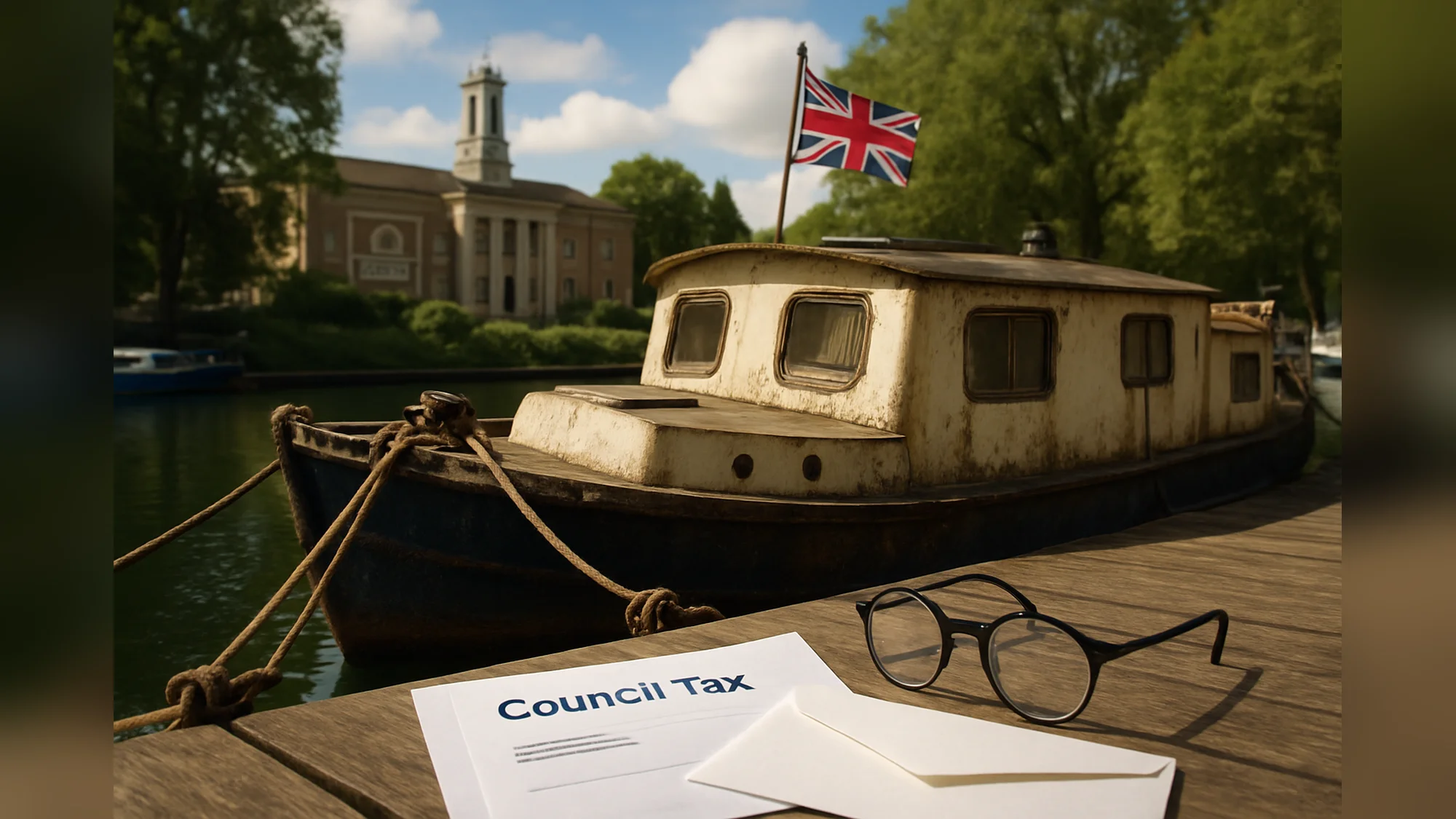
An individual could face a bill of as much as £4,000 after a London council examines whether council tax should have been paid on a houseboat, because complex mooring arrangements and unclear billing left liability unresolved. Zack Polanski, the Green Party leader in the London Assembly, told the BBC he could be liable for between £3,000 and £4,000 for the period he lived at an east London mooring and said he would pay any amount formally found to be due. Waltham Forest Council is taking legal advice because it's not yet clear whether business rates paid for the marina covered charges that would otherwise be council tax. The Greater London Authority's monitoring officer has already concluded the living arrangement fell outside the GLA code of conduct and found no breach.
Who could be asked to pay and why does the figure matter? An individual could be asked to settle up to £4,000 after the council examines whether council tax was owed on the boat, because the marina's billing and the status of the mooring leave liability unclear. Zack Polanski told the BBC he could face between £3,000 and £4,000 and that he will pay any tax formally found to be due. But Waltham Forest Council has sought legal advice because the marina might be assessed under business rates rather than council tax, which would change who's billed.
What has official scrutiny found about the circumstances? The Greater London Authority's monitoring officer concluded that the arrangement fell outside the scope of the GLA code of conduct for assembly members and didn't find a breach. Polanski told the monitoring officer and the BBC he didn't intend to evade tax, that his living arrangements were unconventional, and that he had previously relied on housing options where utilities and council tax were managed by the provider. That account appears to have informed the monitoring officer's decision.
Why is determining council tax on boats more complicated than for a house? Local authorities treat moorings, business-rate assessments and council tax differently depending on how a site and its occupants are classified, which creates ambiguity for any resident of a marina.
Waltham Forest Council described the issues as "complex factors unique to moorings" when it sought legal advice. The practical result is that an apparently straightforward liability can require legal and billing reviews before a bill is raised.
How are councils handling collections and service changes more broadly? Scottish government statistics for the year to 31 March 2026 show collection reporting is presented as an in-year collection rate and therefore typically lower than final figures, reflecting timing and late payments. In England, local authorities are also managing operational change that affects customer experience: Somerset Council began a final-stage upgrade of its Council Tax, Benefits and Business Rates systems and took its old revenues and welfare systems offline from 5pm on 25 June.
Somerset warned that some services and online account access would be unavailable for several weeks while the single unitary system is completed, though direct debits and automated payments were expected to continue.
What happens next for the parties involved? Waltham Forest Council is completing its legal review to determine whether a bill should be raised for the period Polanski lived at the mooring. Polanski has said he will settle any council tax formally found to be due. Somerset Council said it will publish updates on service availability as the migration progresses and will prioritise resources to clear any backlog created by the downtime.
Related Articles
- Council Tax Bands 2026: How Much You Pay, Discounts, and How to Appeal
- Council Tax in the UK: How It Works, Bands, and Discounts You Might Be Missing
- Register for Birmingham Council Tax online
The immediate next step is Waltham Forest Council finishing its legal review to decide whether a bill should be issued for the period the boat was occupied, and Zack Polanski has committed to pay any tax formally found to be due. Originally reported by BBC.
This article was created with AI assistance.



