
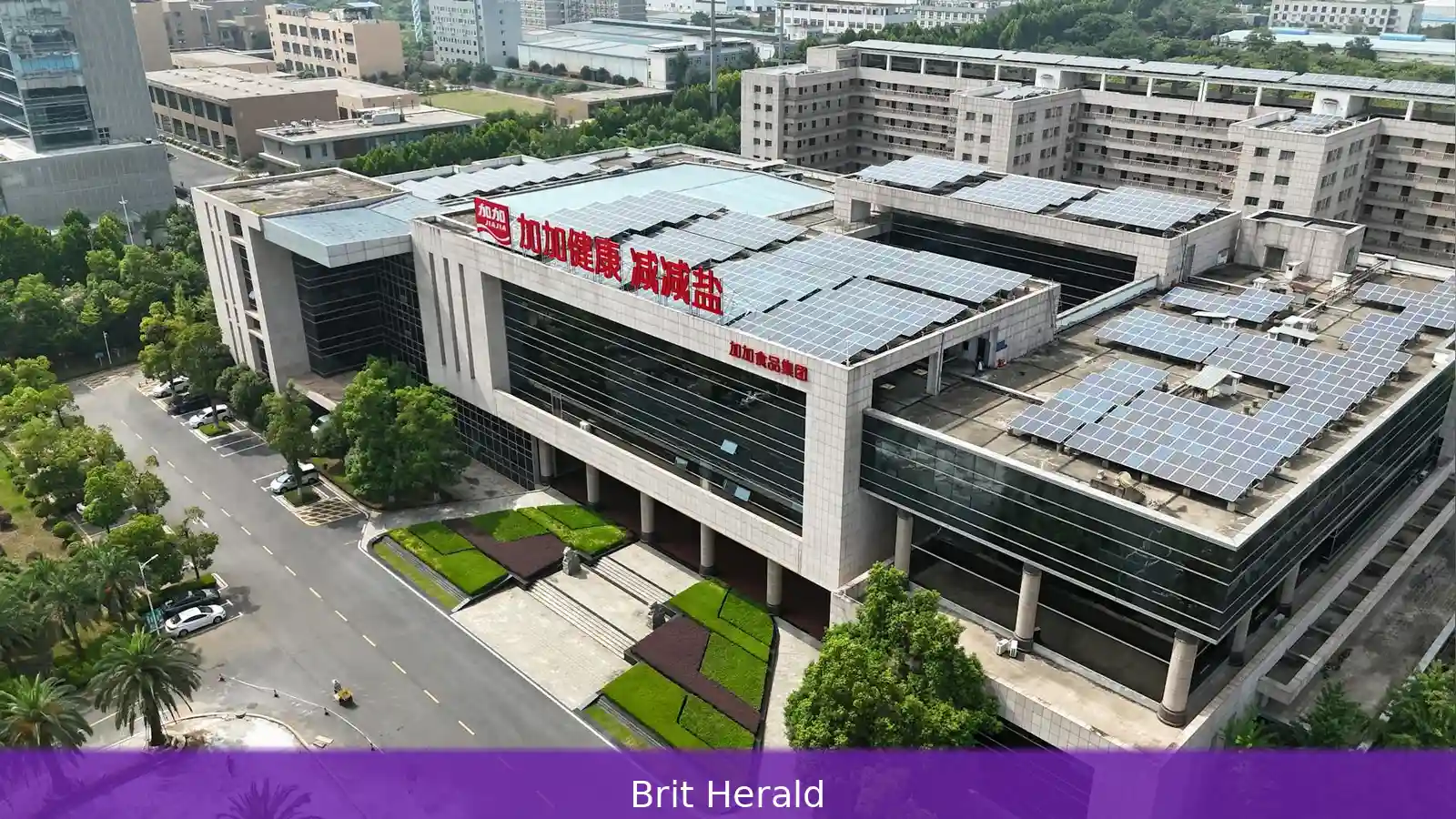
Solar generation supplied most of the extra electricity the world used in 2025, according to energy analyst Ember. At the same time, China’s panel and polysilicon makers have been hit by chronic oversupply, heavy losses and mass layoffs. Major producers are shifting parts of their business into battery storage, and some are planning a state-backed fund to buy and retire excess capacity. The move aims to cut wasted output and put firms on a steadier path to profit.
China’s solar supply chain has become a story of rapid growth and painful adjustment. Solar generation jumped sharply in 2025, driven largely by installations in China and India. Ember, the energy think tank, found clean power growth outpaced total electricity demand growth last year. Solar alone accounted for about 30% growth and supplied most of the extra electricity the world used.
Oversupply and the hit to profits
The boom in installations created an unexpected problem for manufacturers. They rushed to build capacity. Production outpaced demand. Prices fell. The biggest panel and cell makers reported deep losses and cut costs aggressively.
Company filings show the six largest Chinese panel and cell makers together doubled their combined losses to about $2.8bn in the first half of 2025. Firms also reduced headcount. Security filings indicate Longi, Jinko, Trina, JA Solar and Tongwei, among others, cut roughly 87,000 jobs in 2024 as they sought to trim expenses.
The impact has reached upstream suppliers too. Polysilicon makers struggled with excess output. A leading producer, Daqo New Energy, reported a narrower net loss in the second quarter but still said the business had been under pressure. The firm’s chief financial officer, Ming Yang, said the industry has hit a clear bottom and is already recovering.
Pivot to batteries
Faced with weak panel margins, many manufacturers are shifting downstream into energy storage.
Batteries offer a different margin profile and a way to reduce curtailment, the waste that happens when solar and wind produce more electricity than the grid can absorb.
Longi Green Energy disclosed in a securities filing that it plans to buy a 62% stake in local battery storage maker PotisEdge. The move mirrors similar bets across the sector as producers seek new revenue streams and closer control of systems that pair generation with storage.
Energy storage sales rise as grids install more renewables. Storage helps match variable output with demand. That means fewer hours when panels have to be switched off because the grid can’t take the power. For manufacturers, integrated solar-plus-storage projects create opportunities to sell higher-value systems rather than commodity panels.

State-backed cleanup and price signals
Chinese industry leaders are also talking about capacity rationalisation. Major firms are preparing a fund of at least 50 billion yuan to buy and retire over one million tonnes of polysilicon capacity, according to industry comments. Ming Yang said the plan is with government support, though some details still need to be decided.
Polysilicon prices have already been low. Ming Yang told investors that solar-grade polysilicon trades around 50 yuan per kilogramme and that a range of 50 to 60 yuan is reasonable given current production and costs. Buying and closing plants would aim to lift prices and improve margins for the remaining producers.
The cleanup is meant to tackle three linked problems. First, overcapacity pushed down prices across the supply chain. Second, cutthroat competition eroded profitability. Third, low-cost, low-quality output hurt the sector’s reputation. The proposed fund, backed by the major players and the state, would try to address all three simultaneously by taking marginal capacity off the market.
Who wins and who loses
The shift into batteries changes the profile of winners in the sector. Manufacturers that can move further down the value chain and assemble complete systems stand to protect margins. Firms that remain commodity-focused will keep facing price pressure and earnings volatility.
Investors have already shown a response. Shares in several solar-related stocks rallied after Daqo’s comments that the industry had bottomed. Daqo’s Shanghai-listed shares climbed as much as 14% on the day Ming Yang spoke.
But the transition is costly. Companies spent years building panel and polysilicon fabs. Turning those assets into a profitable mix of modules, cells, and storage systems takes capital and time. Some firms will exit. Others will shrink. The fund to buy capacity is expressly designed to pick away at the weakest players and remove excess supply so prices can recover.
The wider market backdrop matters. Renewables are growing fast worldwide and have begun to meet most net demand growth for electricity. That changes long-term demand assumptions for fossil fuels and for where investment should flow in power systems.
Chinese authorities have also signalled a willingness to intervene. Officials recognised last year that overcapacity, poor-quality production and brutal price wars were harming enterprises. The proposed capacity-retirement fund illustrates a coordinated response that mixes industry money with state support.
Policy choices will shape how quickly margins recover. If the fund succeeds in removing large volumes of low-cost polysilicon, module prices should stabilise. That would help the profitability of firms that survive and invest in higher-value products like battery storage and integrated systems.
The technical and commercial shift to batteries isn't automatic. Batteries have different supply chains and require skills in system integration, software and project financing. Not every panel maker has those skills now.
Financial strain remains. Even with cost cuts, some firms reported losses through 2025. Longi managed to narrow its loss in the third quarter thanks to cost trimming and said its leadership expects a return to profit in the current quarter. That view is company-specific and depends on execution and market conditions.
Related Articles
- CATL's $5bn sale pressures Hong Kong premium
- China names third agriculture party chief in six years
- Murata Q3 sales up 4.3% as operating profit halves
Some firms are already betting on a recovery. Longi has said it expects to return to profit in the current quarter.
This article was created with AI assistance.


