
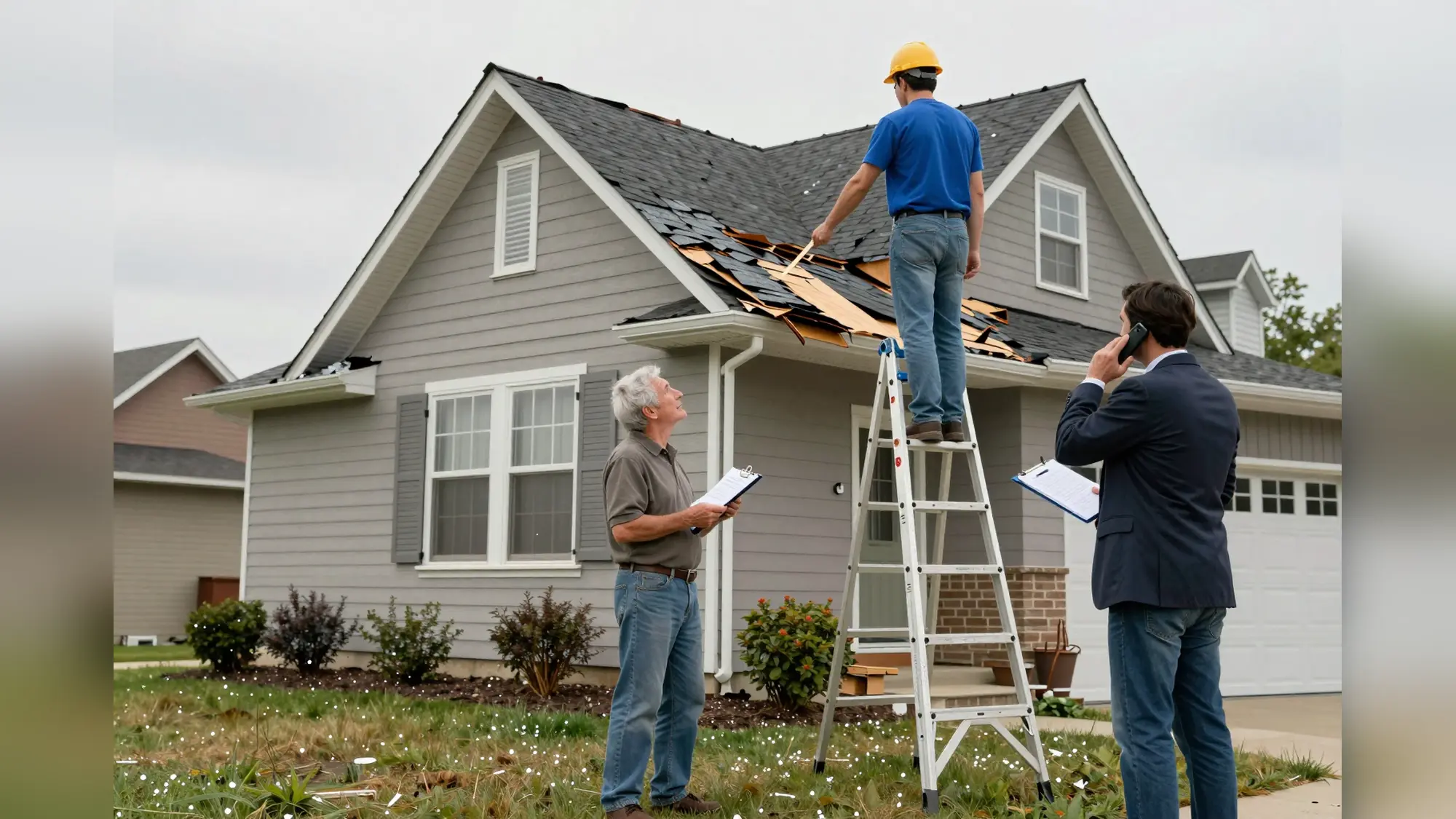
$10,000 was the revised storm-damage estimate a second adjuster produced for a homeowner, after an insurer's first inspection left them with under $600, Moneyist reported on 10 July 2026. The case involves a senior policyholder who said wind and hail had "shook violently from the wind" and who had held homeowners cover continuously since 1982. The insurer's initial adjuster limited damage to the front roof; after the policy's $2,000 deductible the offer would have left the owner with less than $600. Following contractor reports, weather records and a second inspection the carrier raised its estimate to $10,000 before the deductible.
$10,000 was the total price the second adjuster put on replacing the roof and gutters before the $2,000 deductible, according to Quentin Fottrell's Moneyist column on MarketWatch on July 10, 2026. That single number is the decisive fact. It shows how different the outcome for an insured household can be depending on the thoroughness of an initial inspection. The homeowner had been with the current insurer since 2008 and had no prior claims. They reported multiple lifted and missing shingles after wind and hail hit their area. The insurer's first adjuster limited covered damage to the front portion of the roof and issued a settlement that, once the policy's deductible was applied, left the homeowner with less than $600. The claimant refused to cash the cheque because they feared that would be read as acceptance of the offer, the column says. Two roofing contractors then advised full replacement but still calculated that the insurer's payment would leave the owner about $5,000 short, using the column's conversion of the gap into the immediate household impact. A third contractor identified hail damage across the whole roof and to the gutters, and urged full replacement. The homeowner collected supporting material, including local weather reports, government data and news coverage documenting the hail event, and asked the insurer for a second inspection. That led to the higher estimate from the second adjuster. The Moneyist account frames that sequence as a straightforward reversal: a cursory or mistaken first assessment can materially understate damage, while prompt independent estimates and documentary evidence often produce a fuller accounting. Quentin Fottrell, writing in Moneyist, offered a practical reading of what likely happened and what the homeowner should do next. He noted that, without the actual adjusters' reports, one can't know every detail, but the most obvious explanation is simple error by the first inspector rather than malice. He emphasised the value of independent documentation: contractor estimates, contemporaneous weather records and, where possible, recorded conversations with adjusters and contractors. The column also set out formal remedies that many standard policies provide. Homeowners who disagree with an insurer's valuation can invoke appraisal clauses or raise the dispute with their state insurance regulator if the carrier won't accept substantiating documentation. Fottrell advised putting the disagreement in writing and stating clearly the intent to escalate. The practical lesson for policyholders is blunt. First, don't cash a settlement cheque if you think it's inadequate. Second, obtain contractor estimates quickly and gather objective evidence of the weather event. Third, press for a reinspection and, if needed, use contractual appraisal rights or regulatory complaints to resolve stubborn disputes. For older or otherwise vulnerable claimants the stakes are unusually high: a small early payment can translate into a five-figure shortfall on necessary repairs.Related Articles
- July streaming slate narrows, leaving viewers freer to churn
- Oil rises 3% as S&P futures nudge higher
Fottrell's Moneyist column (MarketWatch, 10 July 2026) ends with a clear next step: if the insurer will not accept the homeowner's documentation, send written notice to the carrier stating you will contact your state insurance regulator. Originally reported by MarketWatch.
This article was created with AI assistance.



