
The Cabinet Office's fraud team has flagged 470 suspected cases of social housing being illegally sublet on short-term rental platforms. The matching scheme, run with participating local authorities and Airbnb, cross-checks council tenancy records against platform listings and has already prompted investigations. The Tenancy Fraud Forum estimates nearly 6,000 social homes in England may be affected and calculates at least 1,000 social homes in London were advertised on Airbnb over a one-year period. The Cabinet Office puts the average taxpayer cost of a single case at about £78,300, and says the data matches are being used to recover properties and protect waiting lists.
"This is public money being abused," said Geraldine Geraldi. She is a leaseholder and member of the Social Housing Action Campaign who described recurring turnover and the appearance of lockboxes at a Notting Hill Genesis block in King's Cross. Local residents reported damage to communal areas and episodes of antisocial behaviour they link to short-term lets advertised on platforms such as Airbnb.
How the matching works
The initiative is a data sharing arrangement run by the Cabinet Office's fraud team, under which participating local authorities opt in to have their tenancy records cross-checked against Airbnb listings. Early results from councils taking part have produced 470 identified cases alleged to be social housing fraud. The matched data have begun to prompt enforcement actions and investigations by local housing officers.
The Tenancy Fraud Forum, a not-for-profit organisation that monitors housing fraud, estimates almost 6,000 social homes across England could be illegally sublet on short-term rental platforms. It calculates at least 1,000 social homes in London were advertised on Airbnb over a one-year period and says the total would rise if listings on other platforms were included.
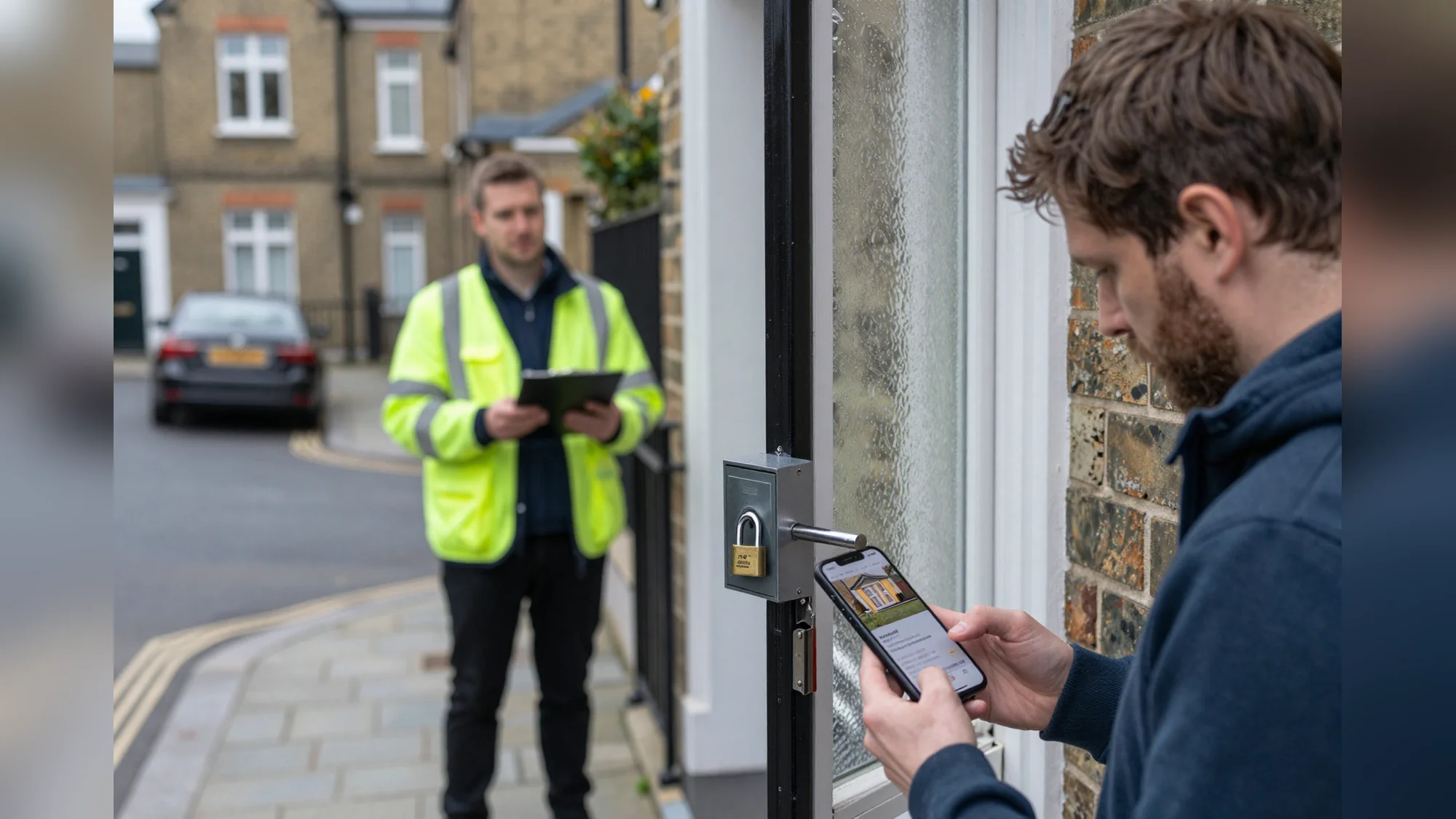
Council housing officers and campaigners identify operational signs that point to illegal subletting. Frequent guest turnover, lockboxes used to transfer keys, and listings that don't match official tenancy records are among the indicators. The Cabinet Office says whether a tenant may sublet depends on individual tenancy terms and may require council permission, and that subletting an entire social housing property is an offence.

Enforcement isn't straightforward. Campaigners and some residents warned that pursuing illegal subletting will have very little impact on the broader shortage of social housing and the acute housing crisis.
Officers face an administrative burden tracing listings when hosts relocate lockboxes or re-list properties across multiple platforms. The Cabinet Office says the scheme targets fraudsters who may own multiple properties or be living abroad.
Airbnb told residents who reported listings that the company was helpful in individual cases, according to BBC reporting. Where subletting breaches tenancy agreements, local authorities can pursue tenancy enforcement.
The criminal penalties attached to unlawful subletting also remain available to prosecutors in the most serious cases.
The government sets out a range of penalties for offenders, including eviction, fines and up to two years in prison. The Cabinet Office estimates the average cost to taxpayers of a single case at about £78,300, a figure the government says can cover temporary accommodation costs for genuine applicants, legal costs to recover property and lost rent during void periods.
Participating councils have used the matched data to begin investigations that could lead to properties being recovered for priority applicants and to protect waiting lists from abuse. The scheme relies on local authorities opting in, so its current 470-case tally represents an early stage of the co-ordinated checks.
Related Articles
Councils are expected to expand the matching as more authorities opt in. The key measures to watch are how many properties are recovered for waiting-list applicants and whether prosecutions or tenancy recoveries follow.
This article was created with AI assistance.


