
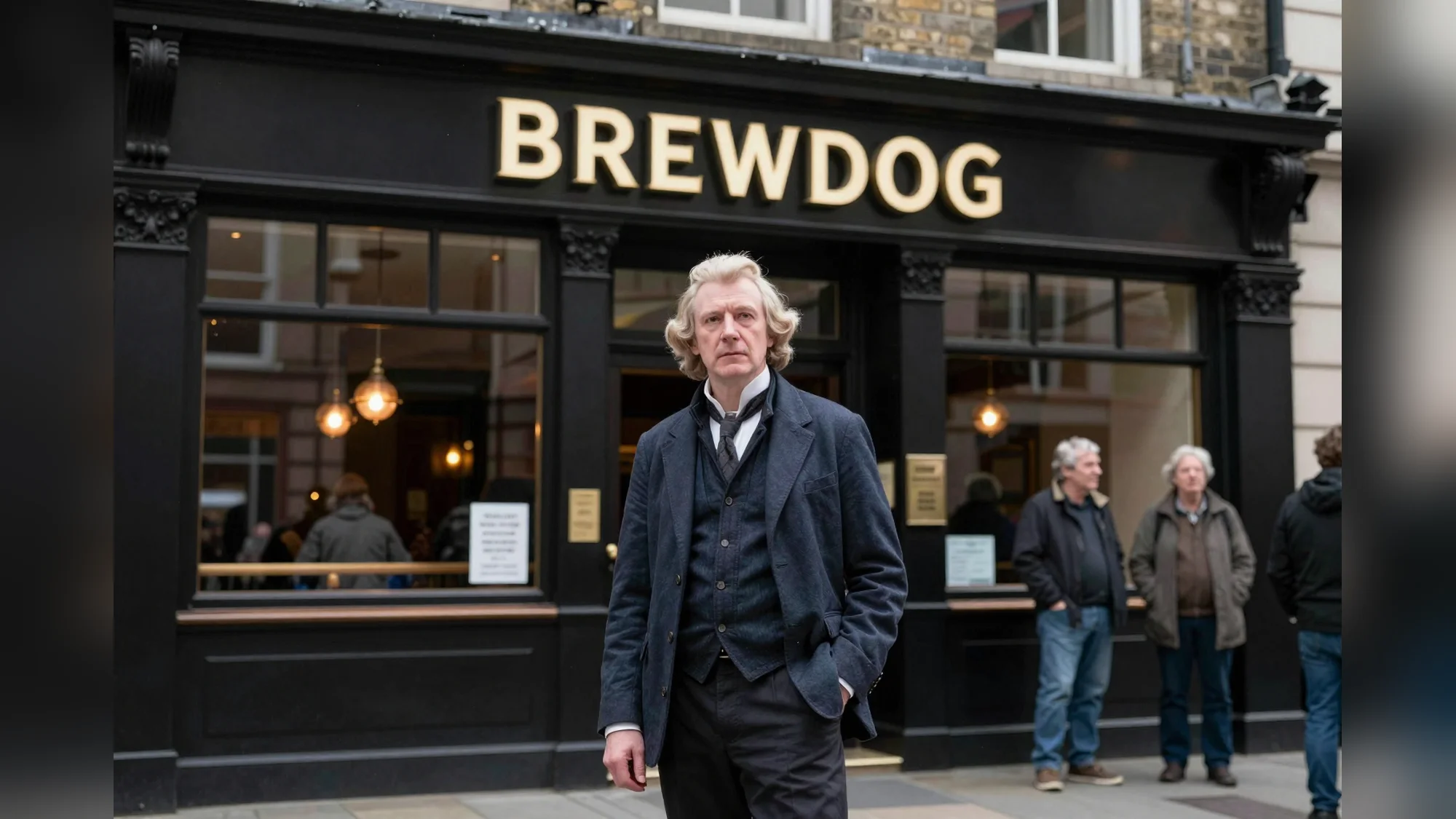
After a March sale for about £33m, James Watt has lodged a formal bid to buy Brewdog back and return retail investors their stakes for free, even as the new owner says the business isn't for sale. Watt submitted the offer through his new company Second Best and wrote in an email seen by BBC Scotland News that "everyone who has signed up to Second Best will own the same stake in Brewdog they once held. For free." Tilray Brands chief executive Irwin Simon told City A.M. that Brewdog is "not for sale" and that Tilray intends to keep and expand the pubs and brewery as part of its wider business. The dispute follows a collapse that wiped out Equity for Punks holdings, press coverage cited the closure of 38 UK sites and about 484 redundancies after administrators sold the group.
Watt frames the move as corrective, while Tilray treats the purchase as settled. He has presented his bid as a route to restore tens of thousands of small investors who bought shares through Brewdog's Equity for Punks crowdfunding scheme. Tilray's Irwin Simon told City A.M. he had not spoken directly with Watt and urged customers to "stay tuned" for the company's plans to relaunch and expand the brand across the UK, US and Australia.
The background is stark. Brewdog began in 2007 in Aberdeenshire and grew into an international craft-beer group once said to be worth more than $1bn. The company later collapsed under more than £500m of liabilities and was sold in March to Tilray, a Nasdaq-listed beverages and medical-cannabis group. Sources reported the March deal was worth about £33m for the UK arm and global intellectual property.
The administrators' sale effectively wiped out retail shareholders in Equity for Punks, a long-running crowdfunding scheme that BBC Scotland News reported had raised money from tens of thousands of small investors. That outcome is the grievance Watt now cites as justification for his bid.

He stood down as Brewdog chief executive in 2024, kept a titular role for a time and then left to start Second Best.
Watt has repeatedly offered to allocate substantial equity in his new venture to people who lost money in the original crowdfunding. The Grocer reports that the formal offer terms submitted to Tilray haven't been disclosed, and that one report placed the value of Watt's bid in excess of £30m. Tilray has declined to engage publicly on the specifics of any offer, with a company spokesperson saying the firm doesn't comment on speculation.
The sale and fallout hit employees and sites. Multiple press reports attributed to coverage across the national media cite the closure of 38 UK locations and roughly 484 redundancies connected to the administration and sale process. Watt has described himself as "heartbroken" over the job losses and apologised to staff and investors for "many mistakes" in Brewdog's management, saying the company tried to diversify too quickly.
The brand's rise and fall has also drawn scrutiny over workplace culture and marketing claims. A BBC Disclosure investigation in 2022 reported allegations of inappropriate behaviour by Watt and other management failures, accusations Watt has denied. The financial history of the company also matters: in 2017 Watt and co-founder Martin Dickie sold a minority stake to private equity, a transaction the BBC and other outlets reported paid the founders millions.
Administrators prioritised secured creditors and preference shareholders when they sold the business, which left retail crowdfunding participants subordinated. Watt says that if his bid succeeds he would restore the real living wage across the business and return equity to team members, a pitch he describes as putting "the community back at the heart of the business." Tilray, for its part, has said it's excited about Brewdog's prospects and has emphasised commitments made at the time of purchase, including honouring certain customer discounts formerly linked to Equity for Punks memberships.
There is no publicly disclosed timetable for how Tilray will respond to Watt's formal offer. Originally reported by BBC.
This article was created with AI assistance.


